2026 State of the Recruiting Industry Report
Key Themes From the 2026 Recruitment Survey
Several trends emerged clearly from this year’s responses:
- Performance remains mixed, but momentum appears slightly stronger than last year
- Recruiters are more optimistic about 2026 than they were about 2025
- The economy remains the biggest perceived threat to the industry
- AI is rapidly gaining attention as a competitive factor
- LinkedIn remains the top sourcing tool, but its dominance is loosening slightly
- AI adoption among recruiters is now mainstream
- Business development remains the top priority for recruiting firms
Survey Demographics
Recruiter Experience
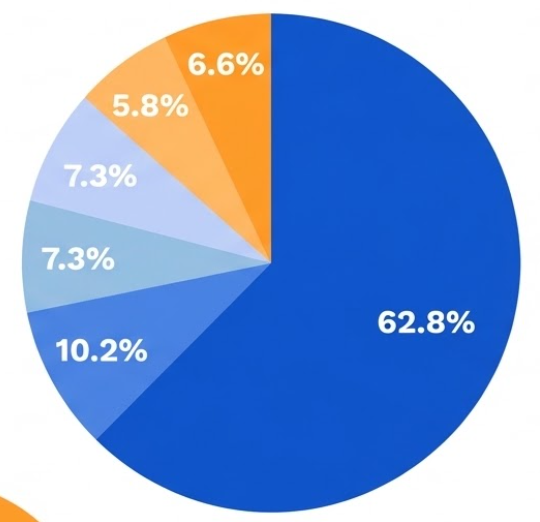
The respondents represent a highly experienced industry segment.
This group has worked through multiple recruiting cycles, including strong markets, recessions, and everything in between.
That perspective makes the trends in this report particularly meaningful.
- Over 25 years: 62.8%
- 21–25 years: 7.3%
- 16–20 years: 7.3%
- 11–15 years: 10.2%
- 6–10 years: 5.8%
- Less than five years: 6.6%
Agency Size
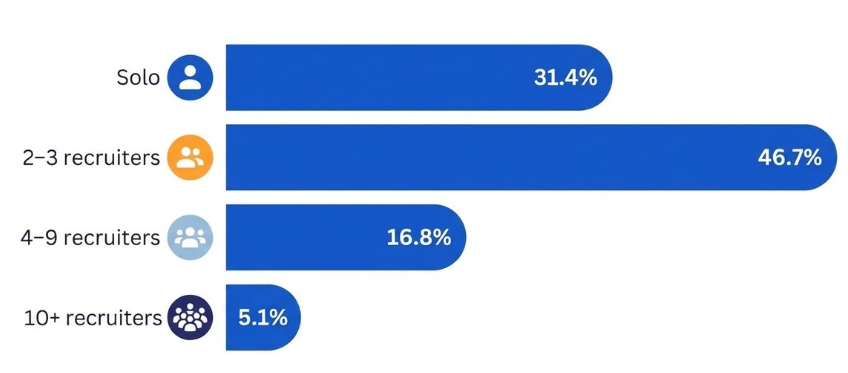
Survey respondents reported working in agencies of the following sizes:
Most recruiting firms remain lean operations where efficiency, process, and tools can make a major difference in performance.
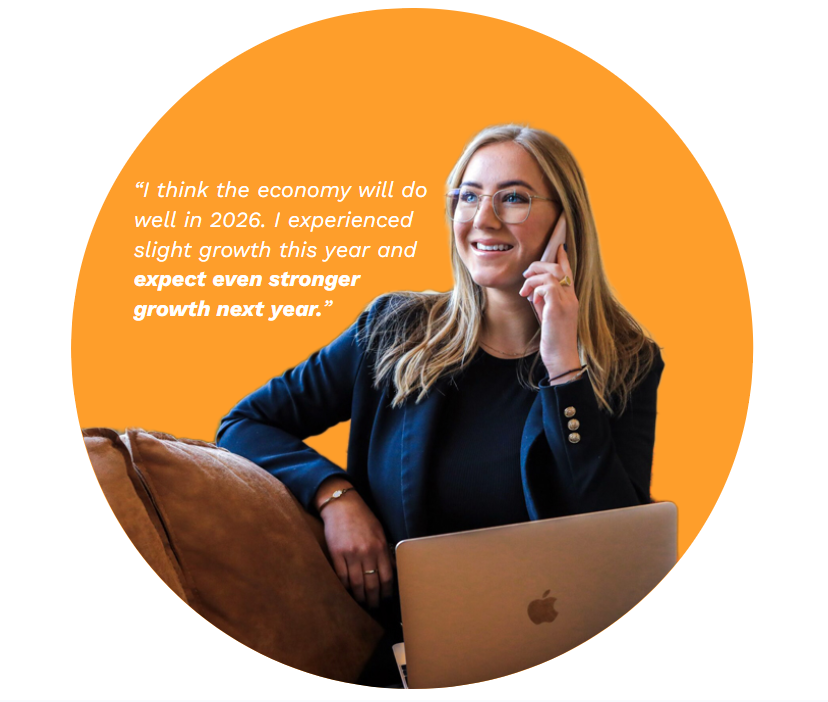
- “I think the economy will do well in 2026. I experienced slight growth this year and expect even stronger growth next year.”
2025 Performance
Client Coverage
How Many Clients Produced Placements?
One of the most telling signals in the data is how spread out (or concentrated) revenue is across accounts.
That’s a pretty important split. Over one-third are getting placements from 11 or more clients, which suggests strong diversification. But nearly 14% are still living in the danger zone: a handful of clients account for most (or all) wins.
And in a “clients pause searches midstream” environment, concentration can turn into chaos.
In 2025, recruiters reported placements across:
- 11+ clients: 35.0%
- 7–10 clients: 23.4%
- 4–6 clients: 27.7%
- 1–3 clients: 13.9%
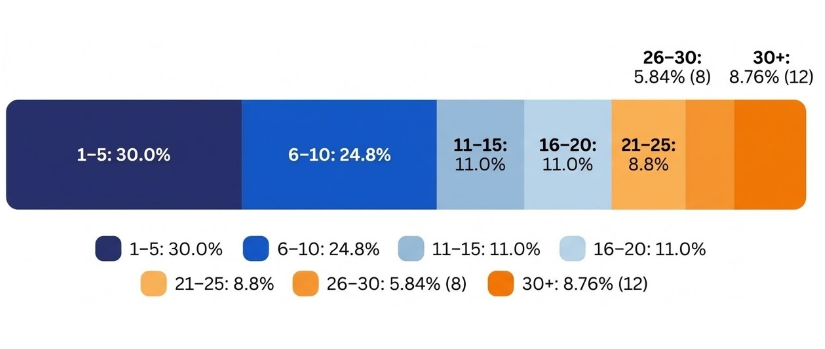
Respondents reported the following placement volumes for the year:
Number of Placements in 2025
How Many Placements per Recruiter?
The biggest bucket is still 1–5 placements, which speaks to the reality of the current market: fewer searches, longer cycles, and more friction throughout the process.
But the “upper end” is worth noting: nearly 1 in 6 recruiters (14.6%) expect to make 26+ placements. The recruiters who are producing are still producing.
Cash-In for 2025
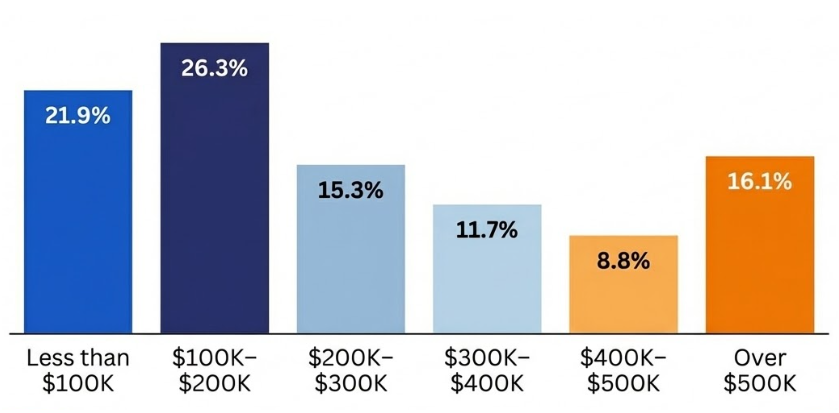
How Much Revenue Did Recruiters Report?
Nearly half (48.2%) are under $200K, which is basically unchanged from last year. The big movement is at the top: fewer respondents are clearing $500K compared to last year’s survey.
This reflects the slower hiring environment rather than a structural decline in recruiting demand.
- “With hiring, job orders, and placements all down, the industry is operating below normal levels. Recruiting remains essential, but reduced demand has made the market challenging [not] unworkable.”
Here’s the expected desk cash-in distribution:
This is where we get a clearer sense of whether things are stabilizing.
Year-over-Year
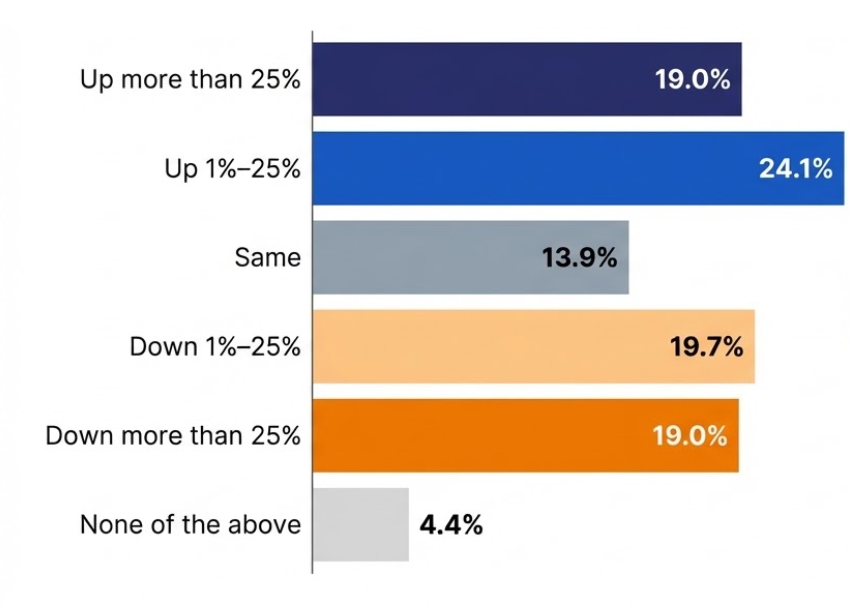
How did 2025 compare to 2024?
Compared to last year (when declines clearly outpaced increases), this is a modest but meaningful improvement in sentiment and results. Not everyone is thriving. But fewer people are drowning.
- Up: 43.1%
- Down: 38.7%
- Same: 13.8%
Industry Outlook and Confidence
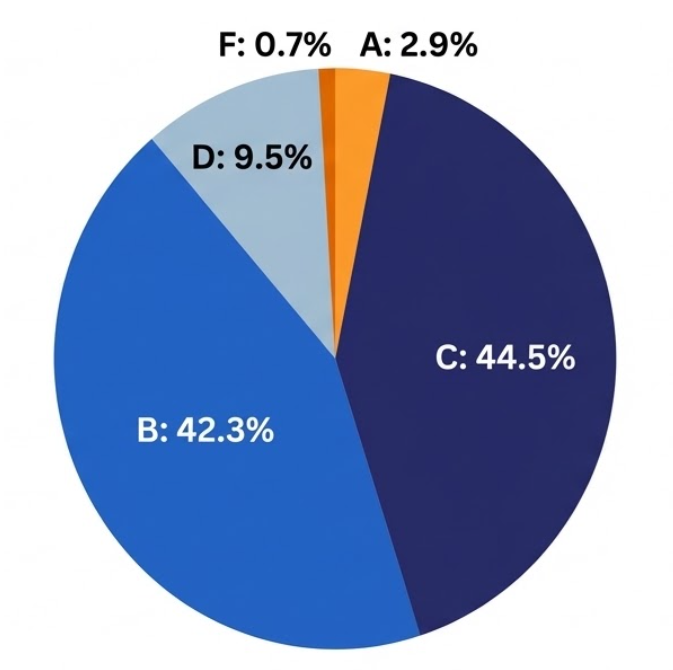
When asked what letter grade they’d give the recruiting industry today:
How Recruiters Grade the Industry
How are recruiters assessing the overall opportunity of the industry?
The most common grade is still C, but B is right behind it, and fewer respondents are handing out D’s than last year.
So no, recruiters aren’t doing cartwheels. But they’re also not writing the profession’s obituary.
- “I've done this a long time and I've seen much worse markets. It might get worse in 2026 but right now it's a ‘B’ market. Thankfully, we have a shrinking population of workers to offset the reduced labor demands caused by a slower economy; improvements coming from AI, robotics, and other technology; and the ongoing decision to use offshore workers.”
Key Challenges Facing Recruitment Firms
According to the results of our survey, five dominant challenges are shaping the current recruiting landscape:
-
Reduced Job Flow and Market Uncertainty
Recruiters report fewer active searches, inconsistent job orders, and clients delaying or canceling hiring plans due to economic uncertainty. Funding delays, budget caution, and project postponements are contributing to a slower and less predictable business environment.
-
Slow and Indecisive Hiring Processes
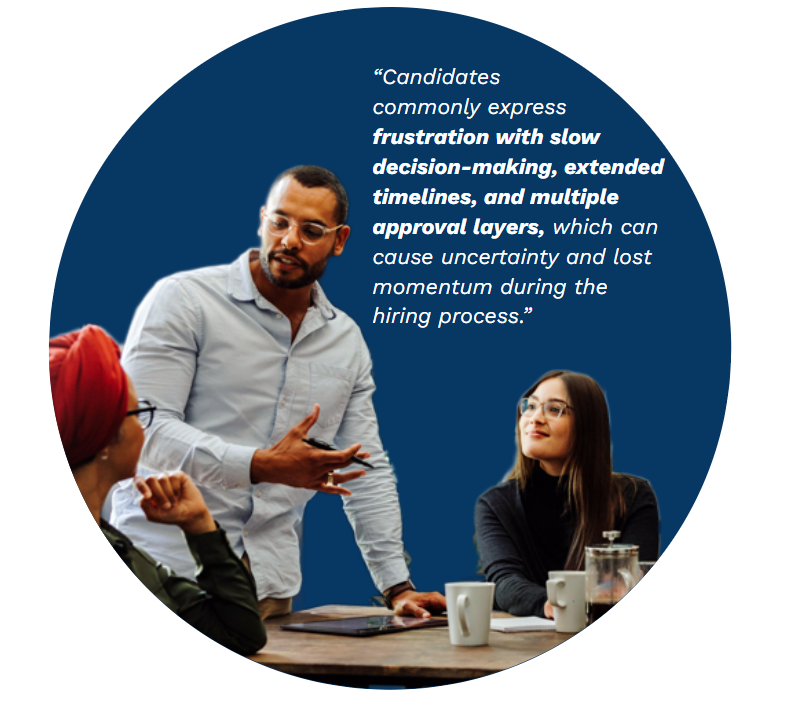
Lengthy interview cycles, delayed feedback, and lack of urgency from hiring managers are causing candidate drop-off and lost placements. In many cases, slow decision-making is extending time-to-fill and impacting firm revenue cycles.
-
Misaligned Expectations
A widening gap exists between what clients want and what the market can realistically deliver. Employers often expect “unicorn” candidates at below-market compensation, while candidates seek significant salary increases, remote flexibility, or rapid advancement. This mismatch is prolonging searches and increasing offer rejections.
-
Business Development and Revenue Pressure
With fewer searches and longer hiring cycles, firms are feeling increased pressure to generate new business, secure retained work, and maintain cash flow. Competition from internal talent teams, AI-driven sourcing tools, and direct hiring strategies is intensifying the challenge.
-
Candidate Engagement and Talent Shortages
Recruiters continue to face difficulty finding qualified candidates in key sectors, particularly Manufacturing, Engineering, and specialized technical roles. Candidate hesitation to change jobs in an uncertain economy, combined with ghosting and disengagement, is further tightening the effective talent pool.
Biggest Threat to the Recruiting Industry
While economic conditions remain the dominant concern, AI is gaining attention as a potential competitive factor.
Most recruiters don’t believe AI will “kill recruiting.” But they do believe it will change the playing field, and the recruiters who ignore it may lose ground to the recruiters who don’t.
- The economy and job market: 62.0%
- Artificial intelligence: 14.6%
- LinkedIn: 4.4%
- There is NO threat: 19.0%

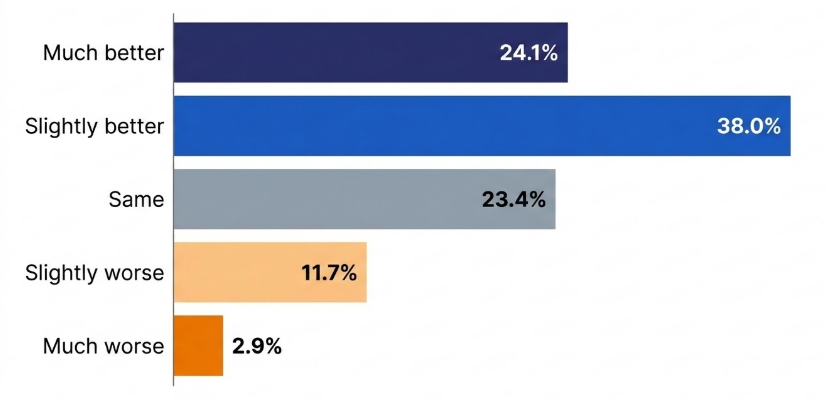
What recruiters believe will happen in 2026:
How Recruiters Expect 2026 to Compare.
This is a breakdown of recruiters who think that the recruitment industry in 2026 will be better (or worse) than 2025.
We are seeing a big leap in optimism compared to last year’s outlook, and it suggests recruiters are sensing either (a) stabilization or (b) opportunity. Usually both.
- Expect improvement 62.1%
- Expect decline: 14.6%
Tools, Tech, and AI
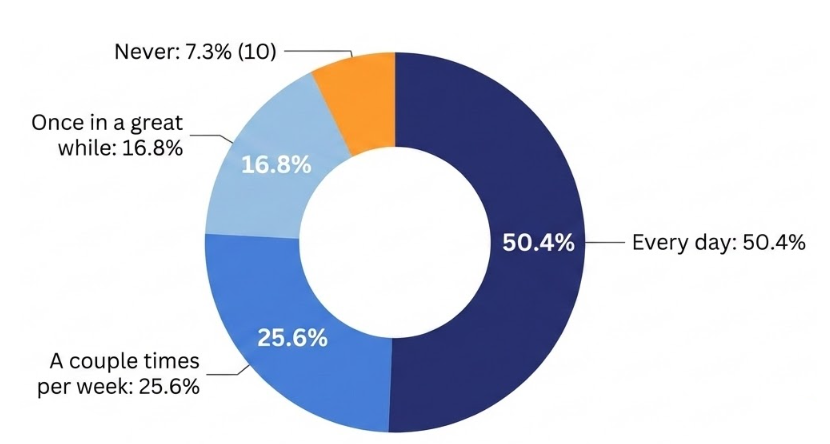
AI Usage Is Now the Norm
Recruiters are adopting AI while simultaneously complaining about technology overload. (A very recruiter thing to do.)
Many recruiters are using AI to:
- Write emails and marketing content
- Generate Boolean search strings
- Evaluate candidate profiles
- Create job descriptions
How often are recruiters using AI tools?
Are recruiters looking to switch ATS/recruiting software providers?
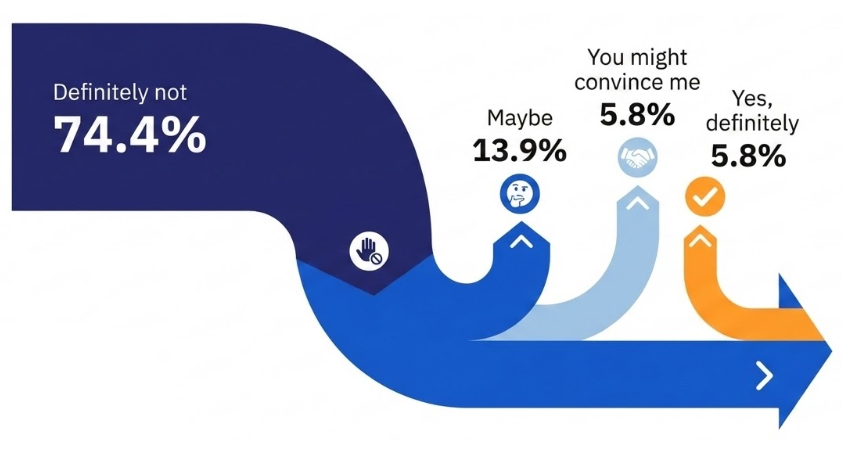
ATS Switching Sentiment
Recruiters are adopting AI while simultaneously complaining about technology overload. (A very recruiter thing to do.)
Most recruiters aren’t trying to rip-and-replace their core system right now. In this market, stability matters. But there’s still a meaningful “movable middle” (about 20%) that could be influenced by better workflow, better integration, and better ROI.
- Extremely happy with Top Echelon's TE Recruit. The product really helps me run my Recruiting Business - and the support is excellent.
Marketing and Job Advertising
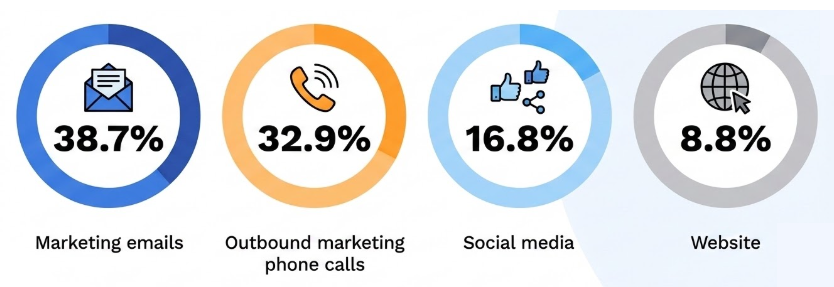
Primary Methods of Marketing in 2025
Email takes the top spot this year, with phone close behind. Social media remains a secondary channel. It’s useful, but not the main engine.
Recruiters reported:
- “Our primary method of marketing our services in 2025 has been relationship-driven outreach supported by consistent LinkedIn engagement and job advertising. We leverage our long-standing professional network, referrals, and repeat client relationships, while using LinkedIn to share insights, maintain visibility, and connect with hiring leaders. This is complemented by targeted job postings across major job boards to support active searches and inbound candidate flow.”
Where Recruiters Found Best Candidates
LinkedIn is still #1 for quality candidates.
However, referrals are strong and databases matter. If the theme of 2026 is “build assets you control,” this is part of the evidence.
- “Linkedin is the best, but the members are getting overtouched and less responsive.”
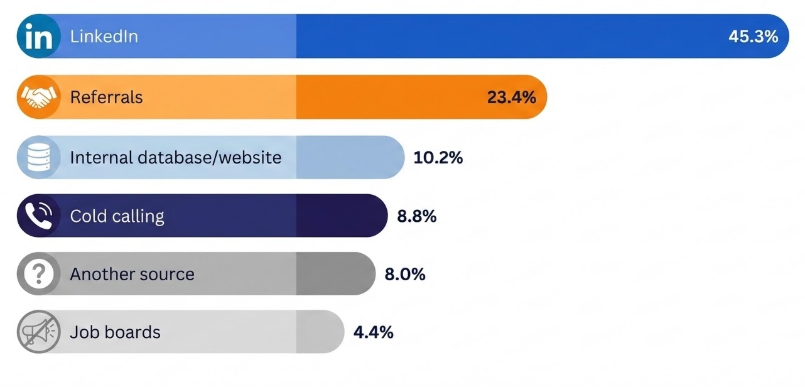
Recruiters reported:
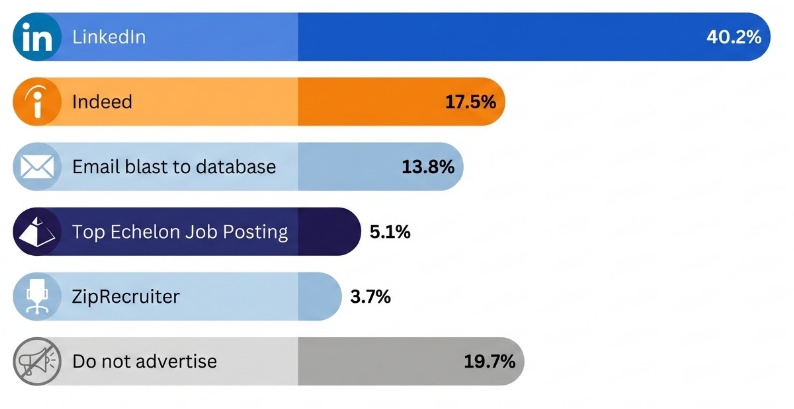
Best Response Rate for Advertising Jobs
LinkedIn still leads, but it’s down compared to last year.
Meanwhile, email blasts to internal databases emerge as a meaningful source of response.
That’s not surprising. When recruiters control the audience (their database), they control the reach . . . and they’re not paying per click for the privilege.
- “I have done more splits this year. I think it’s because the TE Network jobs feed has increased visibility of the job posting. LinkedIn has also still been a good source of candidates.”
Client and Candidate Friction
Where Candidates Struggle with Clients
This is the big headline on the candidate side: communication is now the #1 complaint by a wide margin.
Candidates aren’t just judging the job. They’re judging the process. And right now, the process is not winning any awards.
- Poor communication/unresponsive: 40.9%
- Drawn out/convoluted process: 27.7%
- Too many interview rounds: 16.1%
- Low-ball offers: 8.0%
- Other: 6.6%
Recruiters Reported:
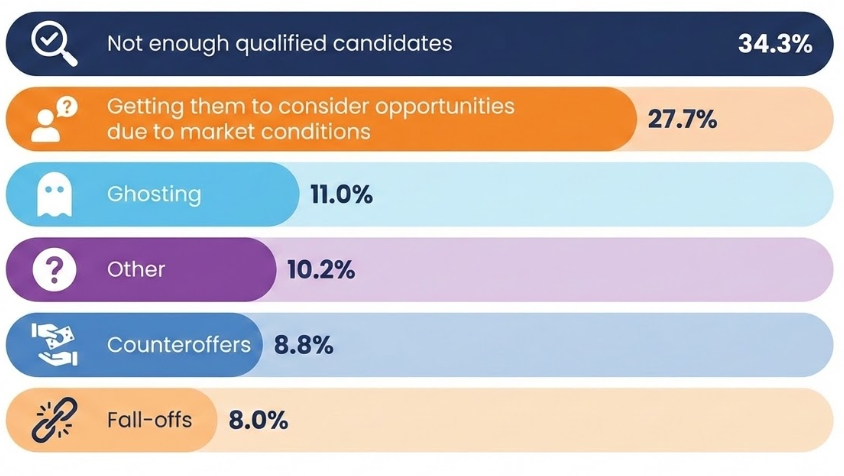
Where Agencies Struggle with Candidates
The candidate pool isn’t just smaller. It’s harder to move.
The “qualified talent” issue remains, but reluctance and hesitation are right behind it.
- “The biggest challenge with candidates is maintaining their interest in an opportunity while the client delays a decision and constructive feedback.”
- “I can't get them interviews like I have in the past.”
Where Agencies Struggle with Clients
Job orders are the #1 pain point.
In other words, the core issue isn’t “can recruiters recruit?” The issue is: are clients hiring consistently enough to keep desks full?
- Fewer search assignments: 46.7%
- Lack of timely feedback: 19.7%
- Taking too long to extend an offer: 19.7%
- Other: 11.7%
- Slow invoice payment: 2.2%

- “Delays in client feedback often slow the process, impact candidate momentum, and make it harder to keep strong candidates engaged.”
Top Priorities for 2026
Recruiters reported:
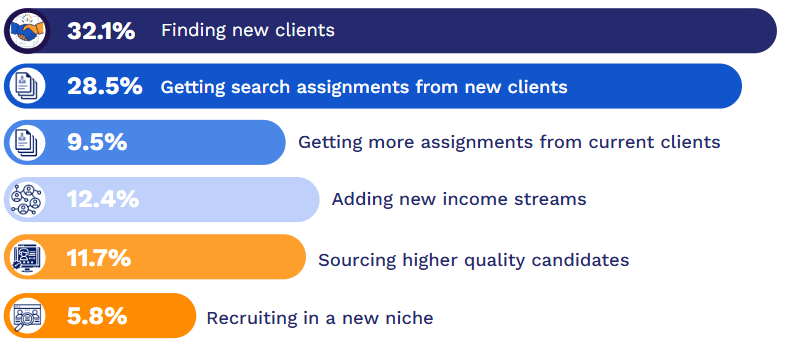
The Highest Business Priority for Recruitment Agencies in 2026
60.7% of recruiters’ #1 priority is new clients and new search assignments.
In a slower market, recruiting becomes a sales game again. (And if you’ve been doing this long enough, you know it never stopped being a sales game. It just got easier for a while.)
- “Deepening existing client relationships to generate a steadier flow of search assignments, while selectively adding new clients where there is a strong long-term fit.”
Final Takeaways
What’s the state of the recruiting industry in 2026?
The recruiting industry entering 2026 can best be described as cautiously optimistic.
Recruiters are navigating:
- Slower hiring cycles
- Evolving technology
- Increased emphasis on business development
Recruiters believe the industry will adapt, as it has many times before.
The recruiters who succeed in the coming years will not necessarily be the ones with the most tools — but the ones with the best habits, strongest relationships, and most consistent client acquisition strategies.